
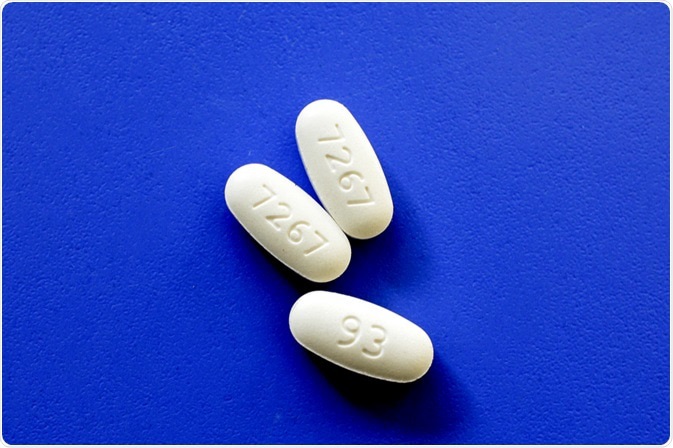
The most-prescribed diabetes drug in the world has been mythologized for two decades. The actual evidence base is weaker than your doctor probably knows. Here’s what metformin actually does — and what it doesn’t.
Metformin is the most-prescribed first-line diabetes drug in the world. It’s been in clinical use for over 60 years. It’s cheap, generally well-tolerated, and surrounded by a halo of associations: cardiovascular protection, possible cancer prevention, possible longevity benefits, even off-label use by biohackers and longevity enthusiasts who don’t have diabetes at all.
Most of that halo is built on weaker evidence than the conversation around it suggests.
That’s not the same as saying metformin is bad. It isn’t. For the right patient, in the right clinical context, it’s a reasonable medication with a real role to play. But the gap between what the evidence actually shows and what most patients are told about this drug is wide enough to be worth closing — especially for anyone trying to decide whether they need to stay on it for the rest of their life, or whether they can work toward coming off it as part of a remission protocol.
This is the first post in a new series on the drugs used to treat type 2 diabetes. We’re going to walk through each major class honestly — what they do, what they don’t, what the latest evidence shows, who genuinely benefits, and where lifestyle change still wins on durability. Metformin is the right starting place because it’s the drug most patients encounter first, and it’s the drug most surrounded by assumptions that haven’t been recently examined.
What metformin actually does
Metformin’s primary mechanism is suppression of hepatic gluconeogenesis — it tells the liver to stop overproducing glucose. In type 2 diabetes, the fatty, insulin-resistant liver is one of the main sources of elevated blood sugar, particularly the fasting glucose readings that show up high on morning lab work. Metformin partially blunts that overproduction.
It also activates AMPK, an enzyme involved in cellular energy regulation, and produces modest improvements in peripheral insulin sensitivity. There’s some effect on the gut microbiome that may contribute to its glucose-lowering action. And it inhibits mitochondrial complex I — a detail that will become important when we talk about athletic performance later in this post.
The clinical effects are real but modest. Patients typically see an HbA1c reduction of about 1.0 to 1.5 percentage points. Weight is generally neutral or slightly favorable, with some patients losing 2 to 5 pounds. Hypoglycemia risk is low compared to insulin or sulfonylureas because metformin doesn’t force insulin release — it works on the liver, not the pancreas.
So as a glucose-lowering drug, metformin works. It’s not the most powerful agent available, but it’s reliable, predictable, and inexpensive. If glucose lowering were the entire goal of type 2 diabetes treatment, the conversation could end here.
It isn’t, and it doesn’t.
The cardiovascular benefit claim — and why it’s weaker than you’ve been told
The single biggest claim that has carried metformin’s reputation for the last 25 years is that it reduces cardiovascular events and all-cause mortality in patients with type 2 diabetes. This claim originated with the UKPDS 34 trial, published in The Lancet in 1998, which showed a 36% reduction in all-cause mortality and a 39% reduction in myocardial infarction in overweight type 2 diabetics treated with metformin compared to conventional therapy.
That trial result is the foundation of every “metformin saves lives” headline you’ve ever read. It’s also been the foundation of guideline recommendations putting metformin as first-line therapy across virtually every major endocrinology society for two and a half decades.
Here’s what’s happened since:
Subsequent randomized controlled trials have not replicated the UKPDS finding. A 2014 meta-analysis of randomized trials comparing metformin to placebo or lifestyle interventions, pooling data across 13 trials, found:
- All-cause mortality: hazard ratio 0.96 (95% CI 0.84-1.09) — not statistically significant
- Cardiovascular death: hazard ratio 0.97 (95% CI 0.80-1.16) — not statistically significant
- Myocardial infarction: hazard ratio 0.89 (95% CI 0.75-1.06) — not statistically significant
The authors concluded that “there remains uncertainty about whether metformin reduces risk of cardiovascular disease among patients with type 2 diabetes.” A 2023 network meta-analysis by Shi et al found no clear cardiovascular mortality benefit for metformin.
And in January 2024, the American Diabetes Association quietly updated its Standards of Care to no longer reference UKPDS as the evidence base for first-line metformin. The American Academy of Family Physicians published an editorial in March 2024 stating directly: “Metformin does not offer the benefits the UKPDS initially suggested.”
In fairness, the literature isn’t entirely one-sided. A 2020 network meta-analysis by Tsapas and colleagues in Annals of Internal Medicine concluded that metformin remained a justified first-line choice for patients at low cardiovascular risk, primarily because the newer drug classes (SGLT2 inhibitors and GLP-1 agonists) had not been adequately tested as initial monotherapy in this lower-risk population. So the evidence isn’t quite “metformin doesn’t work” — it’s more accurately “the cardiovascular benefit story that built metformin’s reputation has not been confirmed in modern RCTs, and the newer drug classes have demonstrated superior cardiovascular outcomes in higher-risk populations.”
This is a significant shift that has not made its way into most patient conversations. The cardiovascular benefit story that built metformin’s reputation has not been confirmed in the higher-quality evidence that has accumulated since the original UKPDS trial. The drug still has a place — particularly for glucose control in early disease and as adjunct to lifestyle change — but the framing of it as a definitively cardioprotective medication is no longer well-supported by the modern RCT data, and for patients with established cardiovascular disease the newer drug classes have outperformed it.
For patients without established cardiovascular disease, the cardiovascular case for metformin is now genuinely weak. For patients with established CVD, SGLT2 inhibitors and GLP-1 receptor agonists have demonstrated cardiovascular benefit in modern outcomes trials that metformin has not matched. That’s not contrarian opinion — that’s where the evidence has moved.
What metformin doesn’t do for the underlying disease
The diabetes series that preceded this one established the mechanism of type 2 diabetes: ectopic fat accumulation in the liver and pancreas, driven by chronic caloric excess, refined carbohydrates, and ultra-processed foods. The cure for the disease is removal of that ectopic fat — and that’s achieved through dietary intervention, not pharmaceuticals.
Metformin does not remove fat from the liver. This is not contested. The American Association for the Study of Liver Diseases (AASLD) explicitly states that metformin should not be used to treat metabolic dysfunction-associated steatohepatitis (MASH, formerly NASH). The American Diabetes Association affirms that metformin is not a therapy for fatty liver disease. NICE (UK) does not recommend metformin for MASH or MASLD. Multiple randomized controlled trials with liver biopsy endpoints have shown no significant improvement in liver histology compared to placebo.
Metformin produces modest reductions in liver enzymes (ALT, AST) in some patients, but enzyme normalization is not the same as fat clearance. Enzymes can improve while liver fat remains, and the improvement that does occur appears to be secondary to the modest weight loss metformin sometimes produces, not a direct hepatic effect.
Metformin also does not meaningfully restore beta cell function. It may slow the rate of beta cell decline by reducing the glucotoxicity that damages these cells over time — but “slow the decline” is different from “restore function.” The natural progression of beta cell loss continues on metformin alone, which is why most patients on metformin monotherapy eventually require additional medications as their disease advances. The UKPDS data itself showed progressive beta cell decline despite metformin treatment. The ADOPT study confirmed it.
And metformin does not reverse the personal fat threshold breach that allowed type 2 diabetes to develop in the first place. The 2 to 5 pounds of weight loss it produces is nowhere near the 10 to 15 percent weight loss that the DiRECT and ReTUNE trials showed is necessary to clear ectopic fat and put the disease into remission. The drug manages the symptom (elevated glucose) without addressing the upstream pathology (fat in the wrong organs).
This is the central point about metformin that the standard prescribing conversation rarely makes explicit: it is a management drug, not a disease-modifying drug. It can stabilize you. It cannot resolve the disease.
The B12 problem almost nobody is testing for
One of the most consistent long-term findings about metformin is that it depletes vitamin B12 over time. The mechanism is well-established: metformin interferes with calcium-dependent absorption of the B12-intrinsic factor complex in the distal ileum, reducing how much B12 the body can extract from food.
Studies show 6 to 30 percent of long-term metformin users develop measurable B12 deficiency, with the highest rates in patients who’ve been on the drug for many years. Some studies in older populations show rates above 40 percent. The deficiency is dose-dependent and duration-dependent — the longer you’re on metformin and the higher the dose, the more likely your B12 will drop.
This matters clinically for two reasons.
First, B12 deficiency causes peripheral neuropathy — numbness, tingling, and burning sensations in the hands and feet. The exact same symptom pattern is also caused by diabetic peripheral neuropathy from chronically elevated glucose. Many patients with both type 2 diabetes and long-term metformin use end up with neuropathy symptoms that are attributed to “your diabetes is getting worse” when they might actually be at least partially driven by an easily-correctable B12 deficiency the medication is causing.
Second, B12 deficiency also affects cognition and energy. Fatigue, brain fog, mood disturbance, and memory issues can all be early signs. In older patients especially, undiagnosed B12 deficiency contributes to cognitive decline that gets attributed to age or the disease rather than the drug.
Most patients on metformin are never tested for B12. It’s not part of routine diabetes monitoring at most primary care practices. If you’ve been on metformin for more than three years, the appropriate clinical action is to test serum B12 levels (and ideally methylmalonic acid as a more sensitive marker) at least annually, and to consider supplementation with methylcobalamin or sublingual B12 if levels are dropping or symptoms are present.
This is one of the most consequential things in this post for patients currently taking metformin: test your B12. If you’ve never been tested, ask. If your level is low or borderline, supplement and retest. The drug-induced deficiency is fixable. The neuropathy and cognitive symptoms it causes do not need to be permanent.
The athletic performance question
This is where metformin gets genuinely interesting and is almost never discussed in the standard prescribing conversation.
Metformin inhibits mitochondrial complex I — one of the enzymes in the electron transport chain that produces ATP, the body’s primary energy currency. At therapeutic doses, this effect is modest and doesn’t cause clinical problems in sedentary patients. But for patients who train hard, the effect is measurable.
Research has shown that metformin blunts the mitochondrial adaptation to aerobic exercise. The foundational study, published by Konopka and colleagues in Aging Cell in 2019, randomized older adults (mean age 62) to placebo or metformin during 12 weeks of structured aerobic exercise training. Both groups improved on glycemic markers — but the metformin group showed significantly attenuated gains in VO2 max and whole-body insulin sensitivity. Crucially, metformin completely abolished the exercise-induced improvement in skeletal muscle mitochondrial respiration that the placebo group achieved. Follow-up studies, including a 2022 Obesity journal paper on high-intensity interval training and a 2020 Frontiers in Endocrinology review, have replicated and extended these findings — one analysis showing that exercise training alone enhanced VO2peak by nearly 20%, while metformin plus exercise only increased it by approximately 10%.
For active patients, especially those doing high-intensity training or endurance work, this represents a meaningful trade-off. The drug that’s lowering glucose is also blunting the adaptive response to exercise — which is itself one of the most powerful interventions for improving insulin sensitivity and resolving the underlying disease.
Patients on metformin who lift weights and train hard often report subjective fatigue, slower recovery, reduced exercise tolerance, and longer time to peak performance. The published literature supports those observations. The mechanism is real.
This doesn’t mean metformin should never be combined with serious training. For some patients, the glucose control benefit outweighs the performance trade-off. But it does mean the trade-off should be explicit in the prescribing conversation, and for patients whose primary goal is metabolic improvement through lifestyle change, metformin may actively work against the training response that drives that improvement.
The honest framing: if you’re using metformin as a bridge while you do the dietary and resistance training work that actually resolves the disease, you should expect to come off it. Long-term combination of serious training with metformin produces a smaller training response than training alone, and as your underlying disease resolves, the rationale for staying on the medication weakens.
What about the longevity claims?
A growing community of longevity researchers, biohackers, and off-label prescribers have promoted metformin as a potential anti-aging drug. The most prominent investigation is the TAME trial — Targeting Aging with Metformin — led by Dr. Nir Barzilai at the Albert Einstein College of Medicine. TAME is designed to test whether metformin can delay the onset of multiple age-related conditions (cardiovascular disease, cognitive decline, cancer, and death) when given to non-diabetic older adults.
Here’s the honest accounting of where this stands:
TAME has been delayed for years. First proposed around 2015, the trial has spent the better part of a decade in funding limbo. As of mid-2024, it remained only partially funded. The trial may eventually run, but the data it would produce is years away from being published.
The observational data is suggestive but not definitive. A 2014 retrospective analysis from Cardiff University, using the UK Clinical Practice Research Datalink and analyzing approximately 78,000 type 2 diabetics on metformin compared to age-matched non-diabetic controls, found that the metformin-treated diabetics had lower all-cause mortality — a striking finding if true. But the methodology has been criticized, the finding has not been clearly replicated in other large datasets, and observational data is intrinsically vulnerable to confounding by indication (the patients prescribed metformin may differ in important ways from those who aren’t).
The animal data is mixed. Some studies in nematodes and mice show lifespan extension; others don’t. The effect appears to be genetic background-dependent and is not as consistent as proponents sometimes suggest.
The proposed mechanism is plausible. Metformin activates AMPK and inhibits mTOR signaling, both pathways implicated in aging biology. Restricting glucose availability and reducing insulin signaling are both interventions associated with lifespan extension in model organisms.
The risks for non-diabetic users are not well-quantified. Most safety data on metformin comes from diabetic populations who have an underlying disease that justifies the drug. Long-term use in metabolically healthy adults is less well-studied, and the B12 depletion, mitochondrial effects, and athletic performance considerations all apply regardless of diabetic status.
My honest read: the longevity case for metformin is genuinely uncertain. The drug may have geroprotective effects. It may not. The TAME trial is the test that could resolve this, and we don’t have its data yet. Off-label use by non-diabetics is a bet on an unproven hypothesis with real (if modest) downside risks. Anyone making that bet should at least be making it with their eyes open about the state of the evidence.
For the diabetic population this series is primarily addressing, the longevity argument is mostly irrelevant. The decision about metformin in T2D should rest on its glucose-lowering effect, its limited disease-modification capacity, and its place within a broader treatment plan that includes lifestyle change as the disease-modifying intervention.
Who genuinely benefits from metformin
This series is committed to honest accounting on every drug, which means being clear about who genuinely benefits from a medication and not just where it’s overprescribed. For metformin, the patient populations who derive the most benefit:
Newly diagnosed type 2 diabetics in early disease. Metformin can provide useful glucose control while the patient undertakes the dietary and lifestyle work that will actually address the underlying disease. The goal in this scenario is short-term stabilization with the explicit expectation of medication tapering as remission is achieved.
Patients with PCOS and insulin resistance. Metformin has reasonable evidence for improving menstrual regularity, ovulation, and fertility outcomes in women with polycystic ovary syndrome, particularly those with documented insulin resistance.
Patients with prediabetes who cannot or will not pursue intensive lifestyle change. For this group, metformin may modestly delay progression to full type 2 diabetes. Lifestyle change remains more effective, but metformin is better than nothing.
Patients with established type 2 diabetes who are doing the lifestyle work and still need glucose support. Some patients, especially those further into the disease, will continue to need pharmaceutical glucose support even with excellent dietary and exercise compliance. Metformin in this context is a reasonable choice, particularly given its low hypoglycemia risk and tolerability.
Patients at increased risk who cannot use SGLT2 inhibitors or GLP-1 agonists. For patients with contraindications to the newer drug classes, metformin remains a reasonable first-line agent.
The patient populations where metformin is most overprescribed: every other type 2 diabetic where it’s started without a coordinated lifestyle intervention, treated as a permanent medication, and never reassessed for tapering as the patient improves.
The framework — how to think about metformin within a remission protocol
If you’re newly diagnosed with type 2 diabetes and your doctor has prescribed metformin, here’s how to think about it within the framework this series and the diabetes series have built:
Metformin is a bridge, not a destination. Its job is to provide glucose control while you do the actual disease-modifying work — dietary change, resistance training, sleep, stress management. The goal from day one should be eventual tapering, not lifetime maintenance.
The lifestyle work is what reverses the disease. Metformin doesn’t clear liver fat. It doesn’t restore beta cells. It doesn’t reverse the personal fat threshold breach. Your dietary and exercise intervention does that. The drug is buying time, not curing anything.
Test your B12 if you’ve been on it for years. Annual B12 testing is appropriate for any patient on long-term metformin. If your level is low or borderline, supplement and retest. Don’t let drug-induced B12 deficiency get misattributed to “your diabetes is progressing.”
Be aware of the training trade-off. If you train hard, expect metformin to blunt some of your adaptive response. This is another reason to view it as temporary rather than permanent. As your underlying disease resolves through lifestyle change, the case for continuing the medication weakens.
Coordinate tapering with your physician. Most patients on this protocol will need medication reductions within the first 4 to 8 weeks of dietary intervention, as their glucose normalizes faster than weight loss would predict. This needs to happen under medical supervision. Sudden cessation is generally safe with metformin (unlike with insulin or sulfonylureas), but the timing should still be coordinated with the prescribing physician.
Don’t expect metformin to do the work for you. This is the most consequential reframe. Many patients are prescribed metformin and told some version of “this will manage your diabetes” — and they hear the implicit message that the medication is doing the work. It isn’t. The disease continues to progress in the background even with good glucose numbers, because the underlying ectopic fat accumulation isn’t being addressed. The only thing that addresses it is the lifestyle intervention. Metformin is the support tool, not the treatment.
Where this leaves us
Metformin is a reasonable medication. It’s cheap, generally safe, and effective at modest glucose lowering. For the right patient in the right context, it has a role.
What it isn’t is the cardiovascular protector, beta cell preserver, or longevity drug the surrounding conversation often suggests. The RCT evidence for cardiovascular benefit is weaker than the UKPDS-based reputation implies. The disease-modification claims are not supported by current evidence. The B12 depletion is real and undertreated. The athletic performance trade-off is real and rarely discussed.
The honest framing of metformin in a 2026 metabolic medicine landscape: a competent bridge medication, with real but limited benefits, surrounded by a halo of associations that the recent evidence has not confirmed. Useful in early disease as part of a coordinated treatment plan that includes lifestyle change as the primary intervention. Increasingly hard to justify as a standalone lifetime treatment when the newer drug classes (SGLT2 inhibitors and GLP-1 receptor agonists) have demonstrated cardiovascular and renal benefits that metformin has not matched.
The next post in this series is on SGLT2 inhibitors — the underrated drug class that is quietly doing more than metformin and that almost nobody is talking about correctly. The class your audience needs to understand better than they currently do, especially given how rapidly it’s becoming first-line in actual evidence-based diabetes care.
What’s coming next
The drug series continues with SGLT2 Inhibitors: The Underrated Class — empagliflozin (Jardiance) as the lead example, with the broader class context including dapagliflozin (Farxiga) and canagliflozin (Invokana). The mechanism that nobody understands (passive caloric loss through urinary glucose excretion). The cardiovascular outcomes data that puts these drugs in a different evidence tier from metformin. The liver fat data that has earned this class growing attention in metabolic medicine. The honest accounting of side effects — UTI risk, mycotic infections, euglycemic DKA (especially important for low-carb dieters).
This is the drug class your audience is most likely to be on without fully understanding what it’s doing. Coming next.
A note on what this is and isn’t
This series is educational content built from peer-reviewed research, clinical trial data, and my work as a nutrition and fitness coach. It is not medical advice. I am not a physician. The information here is designed to give you the framework and the questions to bring to your own medical team — not to replace that team.
Do not stop or adjust metformin or any other prescription based on what you’ve read here. Although metformin doesn’t carry the immediate hypoglycemia risk of insulin or sulfonylureas, sudden cessation should still be coordinated with your prescribing physician, particularly if you’re on combination therapy with other glucose-lowering drugs.
Test your B12 if you’ve been on metformin long-term. This is the single most actionable item from this post. Ask your physician for serum B12 (and ideally methylmalonic acid) testing. If levels are low or borderline, supplement with methylcobalamin under medical guidance and retest.
Bring this framework to your next appointment. If you’ve been on metformin for years without anyone discussing tapering, the cardiovascular evidence gap, the B12 risk, or the lifestyle intervention that would actually address your underlying disease — those conversations are worth having. Find a physician willing to engage with the framework if your current one isn’t.
Individual results vary. Trial data describes populations. You are an individual with your own medical history, comorbidities, and clinical context. The general framework in this post will not be the right framework for every reader. Use your judgment. Talk to your team. Ask the questions.
The goal of this work has always been informed patients, not stopped medications. Metformin comes off as a byproduct of metabolic improvement, under medical supervision, when the underlying disease state no longer warrants it. That’s the model. That’s what the diabetes series’s trial data supports. That’s what the work looks like in practice.
You have the framework. The work is yours.
 One BadAss BITCH