The Vegetable Truth: What to Eat, What to Limit, What Elite Health Demands You Avoid
The “eat your vegetables” mantra is one of the most oversimplified messages in modern nutrition. It assumes every plant is created equal, that more is always better, and that kale belongs on a pedestal. The truth is more nuanced — and if you’re chasing elite-level health, body composition, or performance, the nuance is where the results live.
Not every vegetable earns a permanent spot on your plate. Some are nutritional powerhouses with virtually no downsides. Some are fine in rotation but problematic in volume. And a handful — once you raise the standard from “healthy” to “optimal” — don’t actually belong in an elite protocol at all.
Here’s the honest breakdown.
I. The Foundation: Vegetables to Eat Without Hesitation
These deliver high nutrient density with minimal anti-nutrient baggage. They’re your daily, unlimited, can-do-no-wrong category — the true foundation of a clean plate.
Low-oxalate leafy greens
Arugula, romaine, butter lettuce, red leaf, watercress, endive, radicchio, bok choy. Folate, vitamin K, polyphenols, fiber. None of the mineral-binding drawbacks of spinach or chard. Rotate these aggressively as your salad base.
Cooked cruciferous
Broccoli, cauliflower, cabbage, Brussels sprouts. Sulforaphane is one of the most studied anti-inflammatory and anti-cancer compounds in food. Cooking neutralizes the thyroid-suppressing goitrogens while keeping the benefits intact. Emphasis on cooked.
Low-glycemic, high-water vegetables
Asparagus, zucchini, cucumber, celery, green beans, fennel, artichokes, radishes, summer squash. Fiber, micronutrients, prebiotic support. Essentially no downside and generous portion flexibility.
Alliums and mushrooms
Onions, garlic, leeks, shallots, scallions, button, cremini, shiitake, maitake. Alliums bring sulfur compounds, quercetin, and cardiovascular benefits. Mushrooms deliver beta-glucans for immune function and ergothioneine — one of the most potent antioxidants in the food supply.
Fresh herbs and sea vegetables
Parsley, cilantro, basil, dill, mint, nori, dulse, kombu, wakame. Underrated category. Herbs support detoxification pathways in meaningful doses. Sea vegetables provide iodine and trace minerals nearly impossible to get elsewhere in whole-food form.
The vegetable kingdom doesn’t have a clear villain the way ultra-processed food does. But it does have doses, tradeoffs, and context — and elite health is built in that nuance.
II. The Rotation: Vegetables to Eat Sparingly
Not villains — but not unlimited, either. These vegetables carry legitimate drawbacks that compound with daily, high-volume consumption. Rotation and portion control turn them back into net positives.
High-oxalate greens
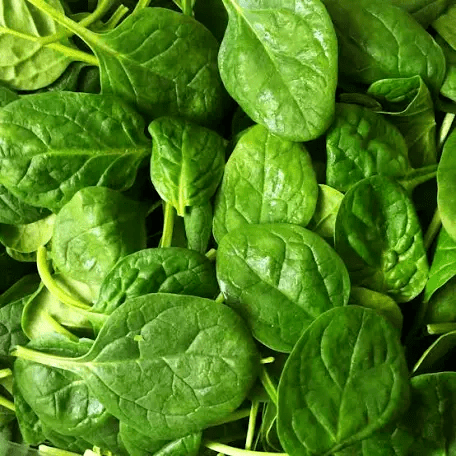
Spinach, Swiss chard, beet greens, rhubarb stalks. Oxalates bind calcium, magnesium, iron, and zinc, blocking absorption of minerals your body depends on for recovery, hormone production, and bone density. They also contribute to kidney stones and can deposit in joints and connective tissue over time. The daily raw-spinach smoothie is one of the most common “healthy habits” that quietly undermines mineral status.
Raw cruciferous in volume
Raw kale, raw broccoli, raw cabbage, raw Brussels sprouts. Goitrogens can suppress thyroid function, particularly when iodine intake is low. Thyroid output governs metabolic rate, training capacity, and body composition. Cook them. The daily raw kale salad is not doing what you think it is.
Nightshades
Tomatoes, peppers, eggplant, white potatoes. Most people tolerate them fine. But in anyone with joint issues, autoimmune tendencies, or unexplained inflammation, the alkaloids (solanine, capsaicin) can be a real driver. Worth a 30-day elimination trial if you suspect sensitivity.
Starchy “vegetables”
White potatoes, corn, peas. Calorically dense, high-glycemic, lower nutrient density per calorie than deeply colored vegetables. Not harmful — just often positioned as more than they are. They’re starches occupying vegetable real estate on the plate.
Beets and rhubarb
Moderate-to-high oxalate, and beets are notably high in sugar. Fine occasionally. Not a daily staple.
III. The Elite Standard: What You’d Actually Avoid at Elite Level
Here’s where general-population advice and the elite-optimization standard diverge. When you’re pushing every other variable — training, sleep, macros, hormones, recovery — to the edge, the margin for “probably fine” disappears. Cumulative load matters. Subtle inflammation matters. Mineral absorption matters. And several “healthy” vegetables stop earning their place.
This isn’t about fear or restriction. It’s about specificity. If you’re not chasing elite-level outcomes, most of this is optional. If you are, it’s not.
Minimize or eliminate high-oxalate greens
Spinach, Swiss chard, beet greens, rhubarb. At elite standards, chronic oxalate load is a real concern — it competes with the exact minerals (calcium, magnesium, iron, zinc) that drive recovery, hormone production, and performance. Swap permanently for arugula, romaine, watercress, butter lettuce, and bok choy.
Eliminate or rigorously test conventional nightshades
Tomatoes, peppers, eggplant, white potatoes. Even without diagnosed autoimmunity, alkaloid load can contribute to low-grade joint inflammation, gut permeability, and recovery drag in hard-training athletes. Many elite-level protocols remove them and see measurable changes in joint comfort and recovery markers. Run the trial.
Eliminate raw cruciferous in any volume
Raw kale, raw broccoli, raw cabbage, raw Brussels sprouts. Goitrogens, oxalates, and raffinose stacked together. Thyroid suppression is especially risky during competition prep or any calorie deficit where metabolic rate is already under pressure. Cook them or skip them.
Eliminate corn
Nutritionally closer to a grain than a vegetable. High glycemic, low micronutrient density, and nearly all conventional corn is GMO with associated glyphosate residue. No upside at elite standards.
Replace white potatoes
Fine for general population. For elite body composition and metabolic control, sweet potatoes, kabocha, and butternut deliver more micronutrients per gram of carb with a slower glycemic response.
Eliminate conventional versions of the Dirty Dozen
Spinach, kale, collards, bell peppers, celery, tomatoes, potatoes. These carry the highest pesticide residues in the produce supply. Cumulative glyphosate and organophosphate exposure matters for gut microbiome integrity, hormone function, and inflammatory load. Buy organic for these specifically — or leave them out.
Minimize soy in vegetable form
Edamame, soybeans. Phytoestrogens and goitrogens. In a bikini-prep or hormone-sensitive context, the estrogenic load is worth minimizing. Fermented soy (natto, tempeh) is a different conversation — better tolerated and more nutrient-available.
Avoid hybridized, oversized, shelf-stable produce
Conventional iceberg lettuce and softball-sized tomatoes are bred for transport and shelf life, not nutrient density. Nutrient levels in conventional produce have measurably declined over the past fifty years. At elite standards, lean toward organic, heirloom, small-sized, deeply colored, and seasonal. The color and flavor tell you what’s inside.
The Elite Vegetable Framework
- Rotate your greens ruthlessly. Never the same green two days in a row. Variety beats volume of any single “superfood.”
- Cook what benefits from cooking. Cruciferous and oxalate-heavy greens deactivate anti-nutrients with heat. Raw is not automatically superior.
- Buy organic strategically. The Dirty Dozen gets the organic spend. The Clean Fifteen (avocado, onion, cabbage, asparagus, and similar) don’t need it.
- Favor color, season, and size. Deeply pigmented, in-season, and smaller-sized produce carries higher nutrient density than its oversized conventional counterpart.
- Treat vegetables as doses, not free foods. A quarter cup of broccoli is a different equation than two cups of raw kale. Quantity matters.
- Track your own response. Population averages don’t apply to elite outcomes. Log digestion, joint comfort, energy, and recovery against what’s on your plate.
The goal isn’t to fear food. It’s to stop treating every vegetable as automatically virtuous and start asking whether it earns its place on your plate, given your goals.
General health tolerates imprecision. Elite health doesn’t.
— Alexis, OBAB Fitness
OBAB Fitness · Level Up Nutrition