
If you’ve read Parts 1 and 2 of this series, you know two things:
- Sugar is not “empty calories.” It’s a multi-organ stress test that hijacks your reward system, overwhelms your small intestine, drives fatty liver disease, generates uric acid, breaks your gut barrier, and underlies most of the chronic disease burden in the developed world.
- The metabolic crisis we’re in is the lagged consequence of decades of sugar overload, made worse by what we replaced sugar with — seed oils, ultra-processed food, refined grains.
This post is about what to do about it. And I’m going to give you something almost no other nutrition content will: a framework that treats your current metabolic state as the deciding factor, not a one-size-fits-all rule.
Because here is the part that most “cut sugar” content gets wrong: a metabolically healthy 25-year-old eating an apple is not doing the same thing as a 45-year-old with fatty liver disease eating the same apple. The food is identical. The body processing it is not. Any framework that treats those two situations the same is going to either be too restrictive for the healthy person or too permissive for the sick one.
So we’re going to do this honestly. Tier by tier. Body by body.
First, the Non-Negotiables
Before we get into nuance, there are some absolutes.
Your body has zero biological requirement for added sugar. None. There is no nutrient deficiency that develops without it. There is no function that requires it. There is no health benefit that comes from including it. You can live a long, healthy, metabolically optimal life with zero grams of added sugar per day.
Sugar is one of the most addictive substances in the food supply. It’s engineered to break moderation by people whose entire job is to find the formulation that maximizes craving. The advice “just have a little” is functionally the same as advising someone to “just have one drink” of an addictive substance. For most people, most of the time, moderation is not an achievable strategy. Elimination is.
The dose, source, and packaging matter enormously. The same molecule does very different things to your body depending on how it’s delivered. Fructose in a soda, fructose in juice, fructose in dried fruit, and fructose in a whole apple are not the same metabolic event — even though they are the same molecule. The fiber, water, polyphenols, and absorption rate of whole fruit make it categorically different from any added sugar product, no matter how “natural” the marketing claims.
These three facts are the foundation. Everything else is application.
The Hierarchy of Sugar — From Worst to Acceptable
Here’s how I’d actually rank sugar sources in terms of metabolic damage, from most harmful to least:
Tier 1 — Eliminate completely:
Sugar-sweetened beverages of any kind. This is the single most damaging form of sugar in the food supply. Liquid fructose hits the liver fast, in concentrated doses, with no fiber or protein to slow absorption. Sodas, sweetened coffees, energy drinks, sports drinks (yes, including the “natural” ones), juice (yes, including “100% real”), kombucha with added sugar, sweet tea, lemonade, smoothies that are mostly fruit. None of these belong in a metabolically healthy diet.
Tier 2 — Eliminate or reserve for genuine special occasions:
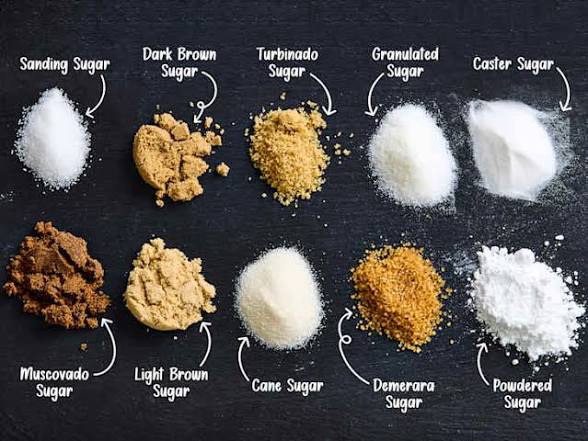
High-fructose corn syrup in any form. Refined white sugar, brown sugar, cane sugar in baked goods, candy, ice cream, processed snacks. Agave (which is up to 90% fructose, despite its “natural” reputation). Most “healthy” sweeteners marketed as alternatives, including coconut sugar, date sugar, and sucanat — they’re metabolically essentially the same as table sugar.
Tier 3 — Use sparingly, treat as flavor enhancement, not staple:
Raw honey (better than table sugar but still concentrated fructose). Pure maple syrup. Whole dried fruit (raisins, dates, dried mango — these are concentrated sugar with some fiber, useful as a sweetener replacement in recipes but not as snacks).
Tier 4 — Acceptable in normal portions for healthy people:
Whole fresh fruit. Berries first, citrus second, then everything else. Roughly 1-3 servings per day for most people, more for very active or large-bodied individuals. Eaten as fruit, not blended into juice or smoothies.
This hierarchy is what should be guiding your daily decisions. Not “is this organic?” Not “is this gluten-free?” Not “is this from Whole Foods?” The question is where on this list does this food sit?
The Four Categories of Bodies
Now the personalization piece. Where you are metabolically determines what level of this hierarchy you can tolerate.
Category 1: Metabolically healthy and resilient.
Lean, insulin-sensitive, strong muscle mass, normal liver enzymes, normal triglycerides, no autoimmune flare-ups, sleeping well. For this person, the framework is straightforward: eliminate Tiers 1 and 2, use Tier 3 sparingly, eat Tier 4 freely within reason. A few servings of whole fruit daily is healthy. The occasional dessert at a real celebration is not going to derail anything. The system is robust enough to handle small deviations as long as the foundation is correct.
Category 2: Metabolically vulnerable but not yet diseased.
Insulin resistance starting to develop, slightly elevated fasting glucose, a few extra pounds of visceral fat, possibly higher triglycerides than ideal, family history of diabetes or heart disease. This is roughly half of US adults and most people don’t know they’re here until they start measuring. For this person, Tier 4 should be limited to 1-2 servings per day, weighted toward berries and citrus. Tier 3 essentially eliminated. The goal is to build metabolic resilience back to Category 1, which usually takes 6-12 months of consistent work.
Category 3: Actively metabolically dysfunctional.
Diagnosed with fatty liver disease, type 2 diabetes, metabolic syndrome, PCOS with insulin resistance, gout, or active autoimmune flares. For this person, fruit is not banished forever, but it gets paused or significantly reduced while the underlying condition is being healed. We’ll cover this category in detail in the next section — because this is where most “fruit is healthy” content fails real people.
Category 4: Aggressive body recomposition or contest prep.
This is a strategy category, not a pathology category. During precise body recomposition phases, fruit becomes a strategic carb source that gets timed and counted, not free food. Once recomposition is complete, fruit returns to normal. This is the category most of my coached bikini competitors live in, and it’s purely temporary.
When Fruit Needs to Be Paused — Until You Heal
This is the section that will be controversial because it cuts against both the mainstream “fruit is always healthy” line and the carnivore “fruit is poison” line. I’m going to give you the honest read.
Whole fruit is not the problem for healthy people. It’s a problem when your liver is already on fire, your gut is already broken, your insulin is already saturated, or your body has stopped processing sugar correctly. In those cases, fruit isn’t the cause — but it can be additional load on a system that’s already failing. The right move is to pause it temporarily while the underlying problem is being treated, then reintroduce it when the body has healed.
Here are the conditions that warrant fruit modification:
Active NAFLD (non-alcoholic fatty liver disease).
A fatty liver is already overwhelmed with fructose metabolism. Even small additional doses contribute to ongoing fat synthesis in the liver. While actively healing NAFLD, cap whole fruit at 1 serving per day, prioritize berries and citrus, and eliminate juice, dried fruit, and any added sugar entirely. Once liver enzymes normalize and follow-up imaging shows resolution, you can liberalize back to normal fruit intake.
Active type 2 diabetes, prediabetes, or significant insulin resistance.
When insulin signaling is broken, even fruit’s relatively gentle carbohydrate load can contribute to elevated postprandial glucose. The strongest evidence for protective effects of fruit comes from berries and citrus — the lowest-glycemic, highest-polyphenol options. Higher-glycemic fruits like banana, mango, grape, watermelon, and pineapple should be limited or temporarily avoided during active treatment. A continuous glucose monitor, if accessible, is enormously useful here. Most people are surprised what spikes their glucose and what doesn’t. Once insulin sensitivity is restored, normal fruit intake returns.
SIBO (small intestinal bacterial overgrowth) and active IBS with fructose triggers.
This is the strongest “actually pause fruit” indication. When you have bacterial overgrowth in the small intestine, fructose that should be absorbed instead gets fermented by bacteria where it shouldn’t be — generating gas, bloating, pain, and worsening of the underlying overgrowth. A low-FODMAP protocol limits most fruit to small amounts of low-fructose options during active treatment. Once SIBO is cleared and gut motility is restored, careful reintroduction starts.
Fructose malabsorption.
A surprisingly common condition affecting an estimated 30-40 percent of Western populations to some degree. The small intestine’s fructose transporter is overwhelmed at lower-than-normal doses. Fruits where glucose is roughly equal to fructose (bananas, citrus, berries) are usually tolerated. Higher free-fructose fruits (apples, pears, mangoes, watermelon) are not. This isn’t a “pause” — it’s an ongoing personalization.
Active gout or significantly elevated uric acid.
Fructose metabolism uniquely generates uric acid. During an active gout flare or while serum uric acid is being normalized, pause higher-fructose fruits and prioritize berries and citrus. After resolution, gradual reintroduction is fine.
Hereditary fructose intolerance.
Rare genetic enzyme defect requiring lifelong fructose elimination. Different from the conditions above — this one is permanent.
What this list is not: a justification for permanent fruit avoidance in healthy people. The carnivore community has built a whole identity around the idea that all carbohydrates are dangerous and fruit specifically is poison. The actual evidence does not support that position. Multiple very large prospective cohort studies have shown whole fresh fruit intake to be protective against diabetes, cardiovascular disease, and overall mortality — including in people with type 2 diabetes when consumed in modest amounts. The protection is real, mechanistically supported, and consistent across populations.
The position to hold is the one supported by the evidence: fruit is healthy and often healing — except for these specific reversible conditions, in which case it’s a temporary pause, not a permanent ban.
Practical Implementation
Here’s how this actually translates into day-to-day eating, no matter which category you’re in:
Read every label. If sugar is in the first five ingredients, the product is candy regardless of how it’s marketed. This includes “healthy” granola, yogurt, protein bars, and breakfast cereals. The ingredient lists tell you what the product actually is. The marketing tells you what the product wants you to think it is. They are usually two different products.
Watch out for the names sugar hides under. Cane juice, evaporated cane juice, agave nectar, brown rice syrup, fruit juice concentrate, dextrose, maltose, sucrose, glucose-fructose syrup, and roughly 50 other terms. Food manufacturers use multiple sugars to keep any single one from being listed first. Don’t be fooled.
Eliminate liquid sugar entirely. Not “reduce.” Eliminate. There is no defensible role for sugar-sweetened beverages in any diet aimed at metabolic health. This includes juice. Juice is liquid candy with vitamin C. The fact that it came from fruit is irrelevant once the fiber and water structure are removed.
Use whole fruit as your sweetener replacement. Berries with full-fat Greek yogurt. Mashed banana in pancakes. Dates blended into a sauce. Fruit smoothies eaten with a spoon, not slurped through a straw. The whole-fruit format protects most of the benefit; processing it back into liquid undoes it.
Time fruit with protein and fat. Eating fruit alongside protein and fat slows absorption, blunts glucose response, and improves tolerance even for slightly compromised metabolisms. An apple with almond butter is metabolically different from an apple alone.
Track what matters. Not your weight every day. Your fasting insulin, triglyceride-to-HDL ratio, ALT and GGT for liver health, hsCRP for inflammation, and if available, continuous glucose monitor data. These are the markers that tell you whether your strategy is working at the metabolic level. The scale is downstream.
Give the work time. If you’ve spent 20 years building a metabolic problem, six weeks of clean eating won’t fix it. Six months might. Twelve months absolutely should. Real change in liver health, gut microbiome composition, insulin sensitivity, and inflammation markers takes sustained effort. The body wants to heal. Stop assaulting it. Start supporting it. Be patient enough for the lag to work in your favor.
The Bottom Line
You don’t have to be perfect. You have to be consistent. You don’t have to follow a complicated protocol. You have to follow a clear framework. You don’t have to demonize fruit. You do have to take added sugar seriously, eliminate liquid forms entirely, and adjust based on where your body actually is right now.
The question is never “is this food healthy?” The question is “is this food healthy for the body I currently have?” That single shift in framing is what separates content that gets thousands of likes from content that actually changes lives.
The metabolic crisis is real. The damage is real. But the body’s capacity to heal — given the right inputs and enough time — is also real, and underestimated. You are not stuck with the metabolism you have today. You are stuck with the food environment you tolerate.
Change the second one and the first one follows. Not in six weeks. Not in three months. But within a year of consistent work, almost everyone sees measurable improvement in nearly every metabolic marker that matters.
That’s the playbook. The mechanism, the lag, and now the framework. The rest is whether you’re willing to do the work.
Most people aren’t.
The ones who are will not be in the cardiology offices in their 30s, the endocrinology offices in their 40s, or the dementia clinics in their 60s. They’ll be the outliers. The ones who opted out of the trend.
That’s the actual payoff. And it starts with what you put on your plate today.
 One BadAss BITCH